
The Impact of Social Media on Mental Health: How to Build a Healthy Relationship
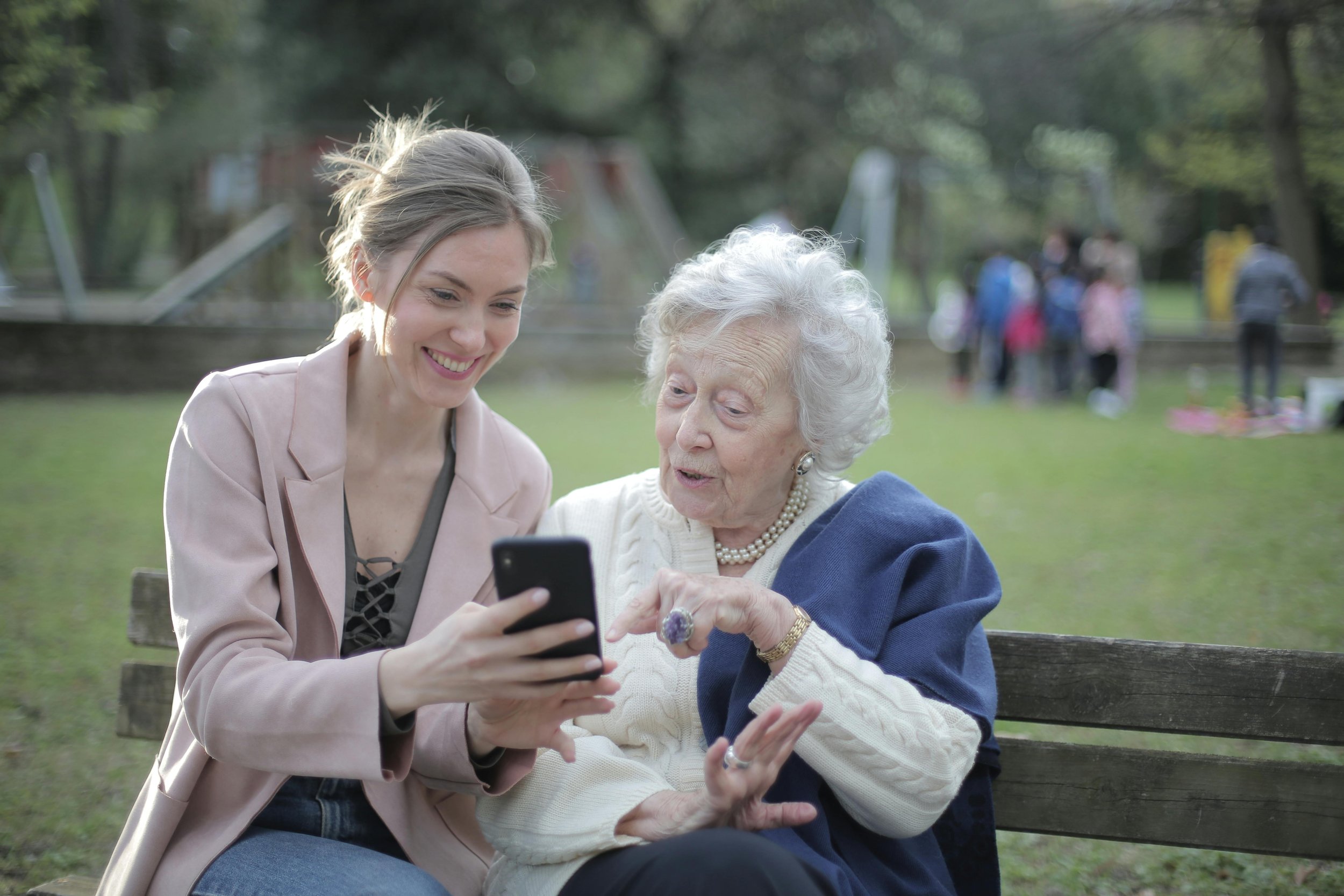
Social media has undeniably become an integral part of our daily lives. Whether it’s connecting with loved ones, staying updated on current events, or finding support in online communities, social media offers a variety of benefits. However, like anything else, there are both positive and negative aspects to its use. In this blog, we’ll explore how social media can impact your mental health and how to build a healthy relationship with it.
The Positive Side of Social Media and Mental Health
When used mindfully, social media can be a powerful tool for personal growth, connection, and well-being. Here are some of the positive impacts:
Connection and Support: One of the most significant benefits of social media is the ability to connect with others. For individuals who may feel isolated, especially those struggling with mental health issues, online communities can offer a sense of belonging. Whether it’s finding support for anxiety, depression, or other challenges, social media can provide a space to share experiences and receive encouragement.
Inspiration and Motivation: Social media platforms are filled with inspiring content. Many users share motivational posts, wellness tips, and stories of personal growth. Following these accounts can provide a boost of positivity, helping you stay motivated in your mental health journey.
Access to Information and Resources: Social media allows for easy access to mental health resources, including therapy tips, mindfulness practices, and articles about mental well-being. Platforms like YouTube and Instagram even feature mental health advocates who share valuable insights and coping strategies.
Learning Opportunities: Social media can be a great tool for learning about various aspects of mental health. Many experts and professionals in the field of psychology and psychiatry use social media to share their knowledge, offering advice on managing stress, understanding emotions, and improving mental well-being.
The Negative Side of Social Media and Mental Health
While social media can offer many benefits, excessive or unhealthy use can also lead to negative mental health outcomes. Here are some challenges that may arise:
Comparison and Low Self-Esteem: One of the most common negative effects of social media is the tendency to compare ourselves to others. The curated and often idealized images shared on platforms like Instagram can lead to feelings of inadequacy, poor self-esteem, or unrealistic expectations.
Anxiety and Stress: Constant exposure to negative news or distressing content can increase anxiety and stress. Additionally, the pressure to be constantly available and responsive on social media can contribute to a sense of overwhelm, leading to mental exhaustion.
Disrupted Sleep: Many of us are guilty of scrolling through social media late at night, which can interfere with our sleep. The blue light emitted by screens affects melatonin production, making it harder to fall asleep and resulting in lower-quality rest.
Addiction and Overuse: Social media platforms are designed to keep users engaged, sometimes leading to addictive behaviors. Spending hours scrolling through your feed can prevent you from participating in offline activities and negatively impact your social life and productivity.
How to Build a Healthy Relationship with Social Media
The key to harnessing the positive aspects of social media while avoiding its potential downsides is setting healthy boundaries and using it mindfully. Here are some tips to help you strike a balance:
Be Selective About Your Feed: Curate your social media experience by following accounts that inspire positivity and support your well-being. Unfollow or mute accounts that make you feel stressed, anxious, or insecure.
Set Time Limits: Set daily time limits on how much time you spend on social media. Tools like screen time trackers can help you stay aware of how much time you’re spending online and encourage you to take breaks.
Practice Mindful Use: Be intentional about when and how you use social media. Instead of mindlessly scrolling, take time to engage in meaningful interactions, like connecting with friends or participating in discussions that align with your values.
Take Social Media Breaks: Regular breaks from social media can help prevent burnout. Consider taking a day or weekend off to recharge and focus on offline activities, such as spending time with loved ones, exercising, or pursuing hobbies.
Engage in Real-Life Activities: Balance your online presence with offline experiences that bring joy and relaxation. Spend time outdoors, engage in creative activities, or participate in social gatherings to nurture your mental well-being.
Take Control of Your Mental Health and Social Media Use
Building a healthy relationship with social media is possible with the right approach. By setting boundaries, curating your feed, and engaging mindfully, you can enjoy the positive aspects of social media while protecting your mental health.
If you’re struggling with social media’s impact on your mental well-being, Stacey Whitaker, PA-C, and Kathryn Werner, PA-C, are here to support you. They offer mental health care services across Idaho, Alabama, and Florida and can help you develop healthy strategies for managing social media use and improving your overall mental well-being. Reach out today to start your journey toward better mental health.
